
The top 4 digital wallets in Spain (+ benefits for your business)
Image source: Unsplash
Mobile payment methods, including digital wallets like Apple Pay and Google Pay, make shopping on a small smartphone screen easier and more convenient for customers, which is one reason cards and digital devices continue to grow at the expense of cash in Spain. According to Banco de España data, mobile payments nearly doubled in recent years, reflecting consumers’ growing use of digital wallets and mobile payment options.
CaixaBank reported nearly 5 million mobile payment customers in 2025, with around 38% of card payments executed via mobile or watch devices, highlighting rapid digital wallet uptake in everyday spending.
Creating a positive shopping experience is all about speed, simplicity, security, and customer convenience. That’s why digital wallet acceptance is increasingly tied to conversion, with frictionless payment experiences demanded by both online and in-store shoppers.
Table of contents
- What is a digital wallet?
- Advantages of digital wallets in omnichannel commerce
- The top 4 digital wallets to accept in your business
- Are digital wallets secure?
What is a digital wallet?
A digital wallet is like carrying around a wallet full of credit cards, cash, ID, and other personal information. The difference is that it’s virtual, and users can securely store their personal financial information in the wallet app.
Also known as e-wallets or mobile wallets, they offer customers a range of secure options to make purchases from the convenience of their smartphones or smartwatches.
In physical payments, digital wallets use Near Field Communication technology. NFC is a short-range wireless technology that quickly transfers information between a customer’s smartphone and your payment terminal, reducing friction at the checkout counter. During online checkout, shoppers can select the digital wallet button (for example, “Pay with Apple Pay), avoiding manual input of credit card numbers. Then the device prompts for biometric verification (PIN, fingerprint, or face scan) to confirm the purchase, serving as a secure, fast alternative to traditional online checkout. Users’ data is protected with passwords, and tokenization (an encryption technology) is used to store various payment details in a single app, streamlining the customer checkout experience.
💡Accept Tap to Pay (iPhone) and Tap to Phone (Android) with MONEI. All you need is a smartphone and the MONEI Pay app to offer contactless NFC-enabled in-store payments.
Advantages of digital wallets in omnichannel commerce
Reduced cart abandonment
According to a study by Baymard, 18% of shoppers abandon their carts because the process is too long or confusing, while 10% abandon because there aren’t enough payment methods.
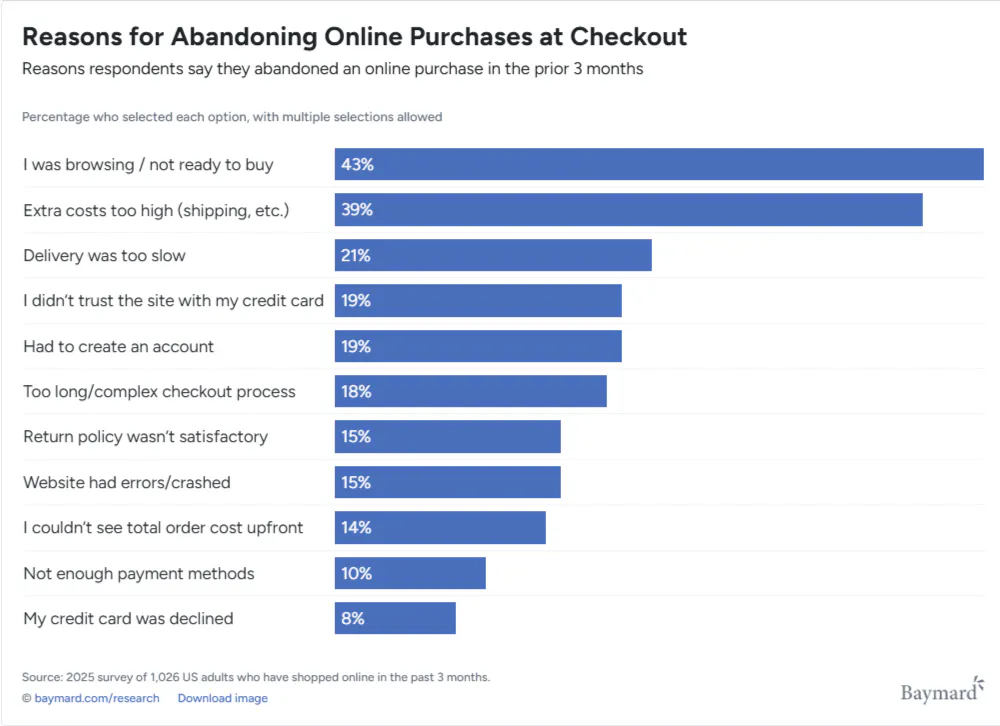
The biggest benefit of enabling e-wallet payments for your e-commerce store is lowered cart abandonment and increased conversions. By simplifying the checkout process and diversifying the payment methods you accept, you will help more customers complete their purchases.
Read also: The 16 Best Payment Methods for E-commerce
Increased payment security
Two levels of security make digital wallets safer than credit cards. Shoppers need to enter their PIN to unlock their phones and to access their digital wallets. Transactions are tokenized, making them more secure than debit or credit card payments.
The cardholder's information is stored in the wallet app, so they can select a credit card when making a purchase. A randomly generated identifier, known as a “token”, replaces the card numbers for each transaction. Once the payment is complete, the number is no longer meaningful, making this the most secure online payment method.
Enhanced customer convenience
Digital wallets eliminate the need to carry around a bulky wallet or bag; they're obviously more convenient. But there are more advantages that shoppers enjoy.
- More organized and easier checkout. Digital wallets store information for multiple cards. This way, customers can easily choose their preferred card and avoid adding payment details each time they make a purchase. The checkout process is automatic and frictionless.
- Easier to manage. Digital wallet users can manage all their account information and transaction history in one place.
Broader market reach
By 2030, 65% of global online payments and 45% of global point-of-sale (POS) payments are expected to take place through digital wallets. While global digital wallet data from Deloitte suggests that Apple Pay, Google Pay, and PayPal dominate European online wallets, local e-wallets like Bizum in Spain and MB Way in Portugal are increasingly important and can boost conversion rates when accepted at online or in-store checkout.
Tap into a broader customer base and potentially boost sales by adopting these payment methods.
The top 4 digital wallets to accept in your business
Apple Pay
Apple Pay has an estimated 500+ million active users worldwide and is widely used for both online and in-store payments. Across Europe, over 44% of consumers use mobile wallets, with Apple Pay ranking among the most popular options alongside PayPal and Google Pay. Its one-tap checkout and biometric authentication make it a strong driver of fast, secure payments.
Google Pay
Google Pay is a popular choice among Android users and works across phones, tablets, and wearables. As of 2025, Google Pay held approximately 21.5% of the global mobile wallet market, ranking second among major mobile wallets behind Apple Pay and ahead of many competitors, with adoption rising in Europe. According to Statista, in Q4 of 2025, 27% of Sopanish consumers reported using Google Pay for in-person payments, while 24% used it for online purchases, making it an important wallet for both channels.
PayPal
PayPal is the leading digital wallet for online payments worldwide, with over 400 million active users and a 45% global market share. PayPal also supports in-person payments, so you can deliver a consistent omnichannel experience.
Click to Pay
Click to Pay is a card-network-backed checkout solution supported by Visa, Mastercard, and Discover, designed to simplify online payments. It’s now live in 26 European markets, with enrolments more than doubling year over year. By allowing customers to save and tokenize card details once, Click to Pay helps reduce checkout friction and cart abandonment in e-commerce, improving conversion rates.
To accept these digital wallets online and in person, you need a payment service provider (PSP) that supports them. With a MONEI account, Apple Pay, Google Pay, PayPal, and Click to Pay* are configured by default. Start transacting as soon as your account has been approved and manage all your omnichannel payments from a single platform.
*Click to Pay is an online only digital wallet, so it’s enabled by default in the MONEI X and PLUS e-commerce plans, but not in MONEI Pay (physical payments). For more plan information, consult our pricing page.
Are digital wallets secure?
Digital wallets are designed with security at their core. Sensitive customer information stored in a wallet is encrypted, and payments require an additional layer of verification, such as a passcode, fingerprint, or facial recognition, before a transaction can be completed. This extra step helps prevent unauthorized use and significantly reduces the risk of fraud.
Behind the scenes, digital wallets also rely on tokenization, which replaces card details with a unique, one-time identifier for each transaction. Real card numbers are never shared with the merchant, so customer data remains protected throughout the payment process.
Meet your customers where they pay by accepting digital wallets
Digital wallets are no longer a “nice to have.” In Spain and across Europe, shoppers increasingly expect fast, secure, and mobile-friendly payment experiences, whether they’re checking out online or tapping their phones in physical stores. As cash usage declines and mobile payments continue to rise, it’s crucial to remove friction at every point of sale.
With MONEI, you can accept the most popular digital wallets, including Apple Pay, Google Pay, PayPal, and Click to Pay, through a single platform for e-commerce and in-person payments. That means fewer abandoned carts, faster checkout, and a consistent omnichannel experience your customers can trust.
If you’re ready to simplify payments and give customers the flexibility they expect, without complexity or extra integrations, get started with MONEI today.

Frequently asked questions about digital wallets
A digital wallet (or e-wallet) stores payment methods, such as debit or credit cards, within an app, allowing customers to pay without entering card details at checkout. Examples include Apple Pay, Google Pay, and PayPal. Bizum works differently. Instead of storing cards, it connects directly to the customer’s bank account and processes payments through their banking app. With MONEI, you can offer both digital wallets and Bizum at the same checkout.
Yes. Digital wallets are built with multiple layers of security. Payment information is encrypted, and transactions require authentication such as a PIN, fingerprint, or facial recognition. Most wallets also use tokenization, which replaces real card details with a unique, one-time code for each transaction. This means merchants never see the actual card number, reducing the risk of fraud. Keeping devices and wallet apps updated helps maintain this high level of protection.
Some digital wallets can process a limited number of contactless payments offline because encrypted card credentials are stored on the device. In these cases, they function similarly to a contactless card that uses NFC technology. However, many wallets require an internet connection to verify transactions or refresh security tokens. Offline payments, when supported, often have usage limits.
Compatibility depends on the wallet provider and the issuing bank. Most major digital wallets support Visa and Mastercard debit and credit cards, and many also allow virtual or prepaid cards. In general, Apple Pay and Google Pay offer broad compatibility across major card networks, but availability ultimately depends on the customer’s bank.
Yes. Customers must have their preferred digital wallet set up on their mobile device or browser before using it. For merchants, however, enabling a digital wallet is simple. Once activated in your MONEI account, no additional changes to your checkout are usually required.
Fees vary depending on your payment provider and pricing plan. In many cases, digital wallet transactions are processed similarly to card payments because they are funded by a debit or credit card. With a unified payments platform like MONEI, you can centralize cards and digital wallets in one place and enjoy transparent pricing across all methods.

Alexis Damen
Alexis Damen is a former Shopify merchant turned content marketer. Here, she breaks down complex topics about payments, e-commerce, and retail to help you succeed (with MONEI as your payments partner, of course).